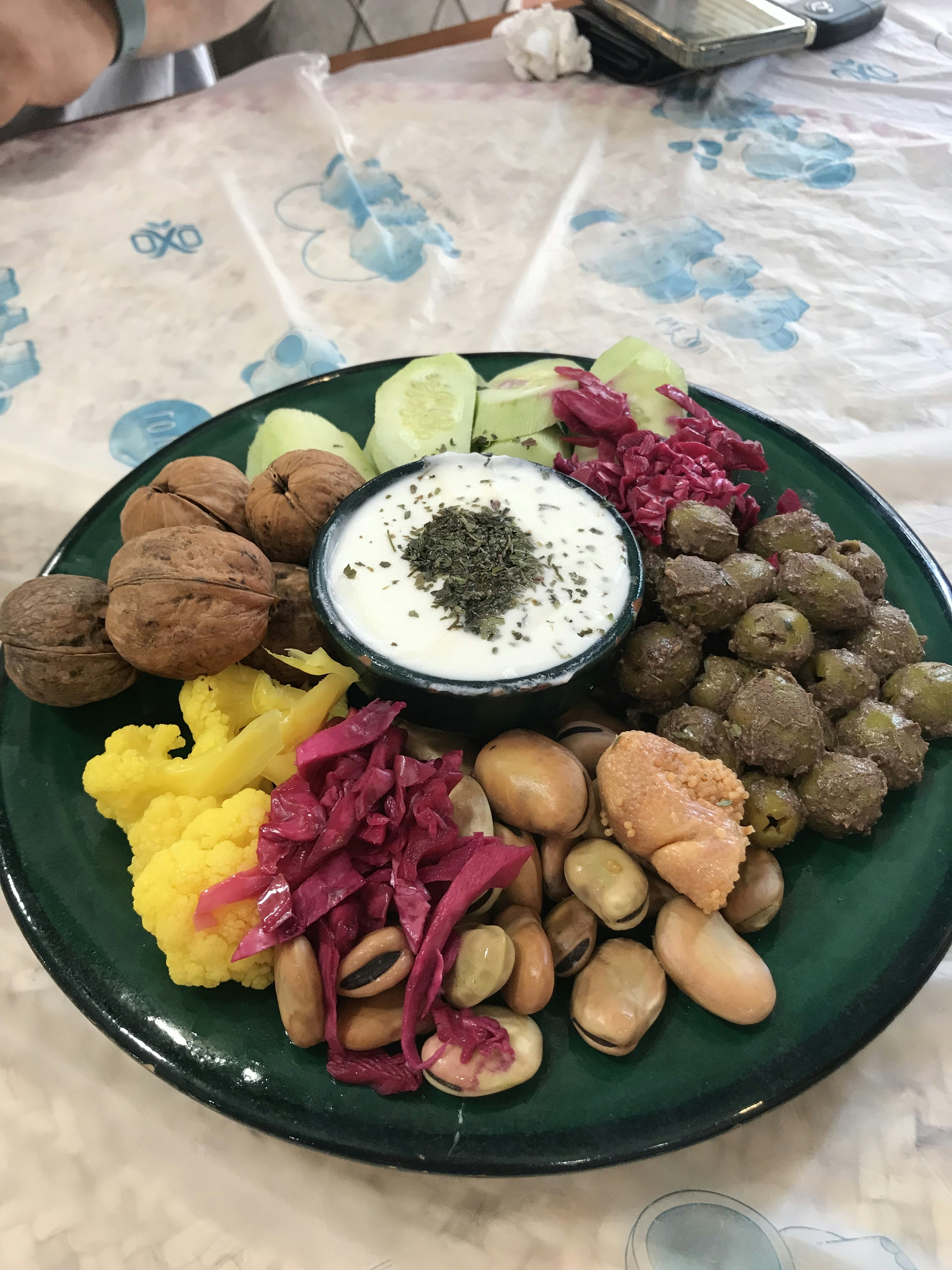
The Importance of Plant-Based Eating
Embracing a plant-based diet is increasingly recognized for its numerous health benefits, playing a crucial role in enhancing overall well-being. Research has consistently shown that diets rich in fruits, vegetables, whole grains, and legumes can significantly impact health positively. In particular, a plant-based approach is linked to effective weight management, as it often results in lower calorie intake while providing essential nutrients. Individuals who adopt such diets typically report improved energy levels, better digestion, and enhanced skin health, thanks to the high fiber content and abundance of vitamins and minerals found in plant foods.
Moreover, a shift towards plant-based eating habits has been identified as an effective strategy in the prevention of chronic diseases, such as heart disease, diabetes, and certain types of cancer. The anti-inflammatory properties present in many plant-based foods contribute to reduced inflammation in the body, thereby aiding the prevention and management of these conditions. This dietary transition not only supports personal health but can also facilitate a more sustainable lifestyle.
On an environmental level, increasing plant consumption has profound implications. By reducing meat intake, individuals can minimize their carbon footprint, contribute to lower greenhouse gas emissions, and conserve water resources. Livestock production is a significant contributor to environmental degradation, and adopting a more plant-focused diet can help alleviate this burden. Ultimately, the benefits extend beyond individual health, promoting collective action towards a greener planet. These considerations underscore the value of incorporating vibrant plant-based recipes into daily meals, encouraging not just personal vitality but also fostering ecological sustainability.
Exploring Colorful Ingredients
In the realm of plant-based cuisine, the vibrancy of colorful ingredients plays an essential role in both visual appeal and nutritional value. When composing a vibrant green plate, incorporating a variety of colors not only enhances the aesthetic but also ensures a diverse range of nutrients. Different hues in fruits and vegetables often indicate the presence of specific vitamins and antioxidants that are crucial for maintaining optimal health.
Fruits such as berries, oranges, and kiwis bring an array of colors and flavors to a dish. Berries, with their deep purple and red tones, are rich in antioxidants, while oranges and kiwis provide significant amounts of vitamin C, promoting a strong immune system. Likewise, vegetables like bell peppers, carrots, and purple cabbage contribute vibrant colors and unique textures. The crunch of raw carrots, the crispness of bell peppers, and the earthiness of purple cabbage can elevate any plant-based meal.
Grains like quinoa, brown rice, or farro add another layer of color along with essential fiber and protein. These grains serve as a hearty base for various colorful toppings, enhancing both the dish’s visual and textural components. Legumes such as lentils, chickpeas, and black beans offer not just color but also a substantial source of plant-based protein, making them indispensable in a balanced diet.
Nuts and seeds, often overlooked, can introduce additional colors and exciting contrasts in flavor. Almonds, chia seeds, and pumpkin seeds not only add crunch but also contribute healthy fats and minerals. By thoughtfully combining these ingredients, one can create a vibrant, healthful plate that celebrates the diverse world of plant-based cooking.
Delicious Plant-Based Recipe Ideas
Creating vibrant and flavorful plant-based dishes is an exciting way to transform our meals into culinary masterpieces. Below, we present a selection of delicious recipes that showcase the beauty and versatility of plant-based ingredients.
Quinoa and Black Bean Salad
Preparation Time: 20 minutes
Cooking Method: Boil and mix
This refreshing salad combines cooked quinoa and black beans, rich in protein and fiber. Toss in diced bell peppers, corn, cherry tomatoes, and red onion for a burst of color. Dress with a lime vinaigrette made from olive oil, lime juice, cumin, and fresh cilantro to enhance the flavors. Serve chilled for a perfect summer dish.
Rainbow Vegetable Stir-Fry
Preparation Time: 15 minutes
Cooking Method: Sauté
A quick and easy stir-fry not only preserves the crunch of fresh vegetables but also highlights their natural colors. Sauté a mix of broccoli, carrots, bell peppers, and snap peas in sesame oil. Add garlic and ginger for an aromatic touch. Serve over brown rice or quinoa, and drizzle with soy sauce or tamari for a savory finish.
Stuffed Bell Peppers
Preparation Time: 30 minutes
Cooking Method: Bake
For a hearty meal, prepare stuffed bell peppers filled with a mixture of brown rice, diced tomatoes, chickpeas, and Italian herbs, such as basil and oregano. Bake until the peppers are tender, approximately 25-30 minutes. Garnishing with fresh parsley before serving will elevate the dish’s presentation and flavor.
Vegan Pancakes with Berries
Preparation Time: 10 minutes
Cooking Method: Griddle
For a delightful breakfast option, try fluffy vegan pancakes made from whole wheat flour, almond milk, and flaxseed meal. Serve with a medley of fresh berries—strawberries, blueberries, and raspberries—for color and taste. A drizzle of maple syrup or agave nectar completes this delightful dish.
These dynamic plant-based recipes not only cater to various dietary preferences but also deliver on taste, making them a fantastic addition to anyone’s repertoire. Remember, the key to an appealing plate lies in the use of vibrant ingredients and thoughtful presentation.
Tips for Meal Preparation and Presentation
Preparing plant-based meals can be both enjoyable and efficient with the right strategies. One effective method is meal prepping, which allows individuals to allocate time for cooking and assembling dishes ahead of time. To optimize this process, consider dedicating a few hours during the weekend to prepare several meals. Utilize versatile staples such as quinoa, brown rice, and legumes that can serve as foundational elements across multiple dishes during the week.
Furthermore, incorporating a variety of vibrant, seasonal vegetables can elevate the appeal of plant-based meals. Not only do colorful ingredients enhance the visual presentation, but they also bring distinct flavors and textures. When assembling a dish, aim for a balance of colors, such as bright greens from spinach, yellows from bell peppers, and reds from cherry tomatoes. This variety not only catches the eye but also ensures a diverse range of nutrients.
Creative serving suggestions can further enhance the overall dining experience. Consider using attractive serving dishes that complement the aesthetic of the food. For instance, a wooden platter or a colorful bowl can serve as a stylish base for a salad or grain bowl, while adding elements such as edible flowers or fresh herbs as garnishes can create a striking presentation. Additionally, arranging components in layers or utilizing different heights can add dimension to a plate.
To promote balanced nutrition in plant-based meals, it is essential to incorporate elements from various food groups. Each meal should ideally include a source of protein, healthy fats, and fiber-rich carbohydrates. This not only ensures completeness of nutrients but also contributes to satiety. By applying these meal preparation and presentation techniques, individuals can enjoy the diverse flavors of plant-based cooking while making healthy eating a visually appealing and satisfying experience.